

Losar Has Passed, the Passes Have Opened
By Tsering — Founder of Tibet Jewels
Winter in Lhasa is long. For months, the little butter lamp the old monk gave me sat by my window, unlit. "Light it when you forget why you started," he had told me. On the coldest nights, when my legs ached from training and Mount Kailash felt impossibly far, I came close to lighting it. But I didn't. Some flames, I have learned, are meant to be saved.
Then Losar came, and everything changed.
The New Year Turns
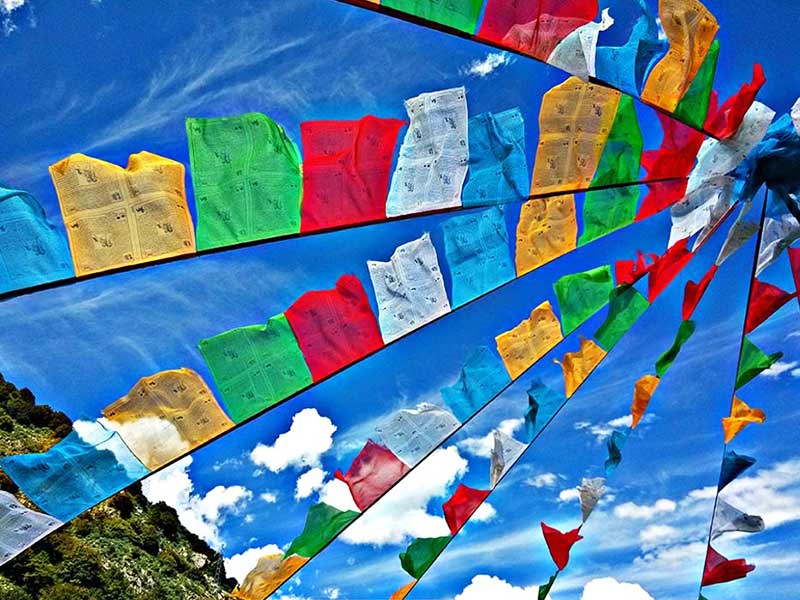
Losar, our Tibetan New Year, arrived with the smell of fried khapse and fresh juniper smoke. We swept our homes from corner to corner, clearing out the old year's dust and, we hope, its misfortune. On the rooftops, we took down the sun-bleached prayer flags and tied up bright new ones, so the wind could carry fresh blessings across the valley.
This is no ordinary year. This is the Year of the Horse — the year my neighbor Awang had spoken of over butter tea, the year a single walk around the sacred mountain is believed to carry the merit of thirteen. For as long as I can remember, I had promised myself I would make this journey. Now the year was finally here.
The Passes Open
All through spring I waited for one piece of news: the passes are open. When the high snow finally softened and the roads west became passable, Awang simply nodded at me across the teahouse. It was time.
Our little group came together the way most good things do here — slowly, and over many cups of tea. Drolma, my dear friend and training partner, was the first to say yes. Her cousin joined next. Then two more neighbors. We are not a tour group. We are friends who decided to walk toward something together.
Packing the Sacred and the Simple
Last night I laid everything out on the floor: broken-in boots, thick wool socks, a light sleeping bag, and the small things that matter more than their size.
I packed my grandmother's silver Gau box — a portable shrine that Tibetans have carried on journeys for centuries. Inside it rests a folded prayer. A Gau box is not decoration; it is a way of keeping the sacred close to your heart while your feet do the hard work.
And on my wrist, as always, my yak bone and Dzi agate bracelet. This is the first piece I ever made when I returned home, and I have never walked far without it. The yak bone reminds me that life is precious and passing — our yaks give us everything, and to carry their bone is to carry gratitude. The Dzi agate, with its eye-like markings, is traditionally believed to ward off harm and steady the mind. For a pilgrim, a sacred Tibet bracelet like this is more than Tibetan jewelry. It is a quiet companion — something to turn between your fingers when the wind is loud and the road is long.

Auntie Nyima's Blessing
Before bed, Auntie Nyima appeared at my gate with a thermos of butter tea, as she always does. She pressed a small bag of dried apricots and roasted barley into my hands. "For the cold mornings," she said. Then she held my wrist for a moment, looked at the old Tibetan agate bracelet, and smiled. "This has walked with you before. Let it walk with you again."
I did not need her to say more. In our neighborhood, love is rarely loud. It arrives as warm tea, a full thermos, and a hand on your wrist.

Tomorrow, We Begin
Tonight the butter lamp is still dark. I am saving it — I think I will know the moment when it is time. Perhaps at the highest, hardest pass, when my body wants to stop and only my spirit can carry me forward.
Tomorrow, before the sun touches the white walls of the Potala Palace, we load our packs and turn west. The waiting is over. The passes are open. The Year of the Horse is calling.
I will write to you from the road.
From my homeland, to your hands.


